Cattle Population in Poland
The cattle population in Poland is one of the pillars of the European dairy sector. In 2024, Poland ranked third in the European Union, accounting for 11% of the EU’s total cattle population. The total number of cattle in the country reached 6,190,927 head, confirming the scale and importance of national production.
The herd structure clearly indicates a strong link between the dairy sector and beef production. Dairy cows accounted for 93.3% of the total cow population, highlighting the dominant role of dairy farming in Polish agriculture.
Polish dairy cattle breeding is undergoing an intensive process of structural transformation. A steady concentration of herds can be observed—smaller farms, until recently widespread, are gradually giving way to larger, specialized dairy farms. These changes result from economic pressure and technological progress, while at the same time leading to the decline of some family farms that have traditionally been carriers of local traditions and rural heritage.
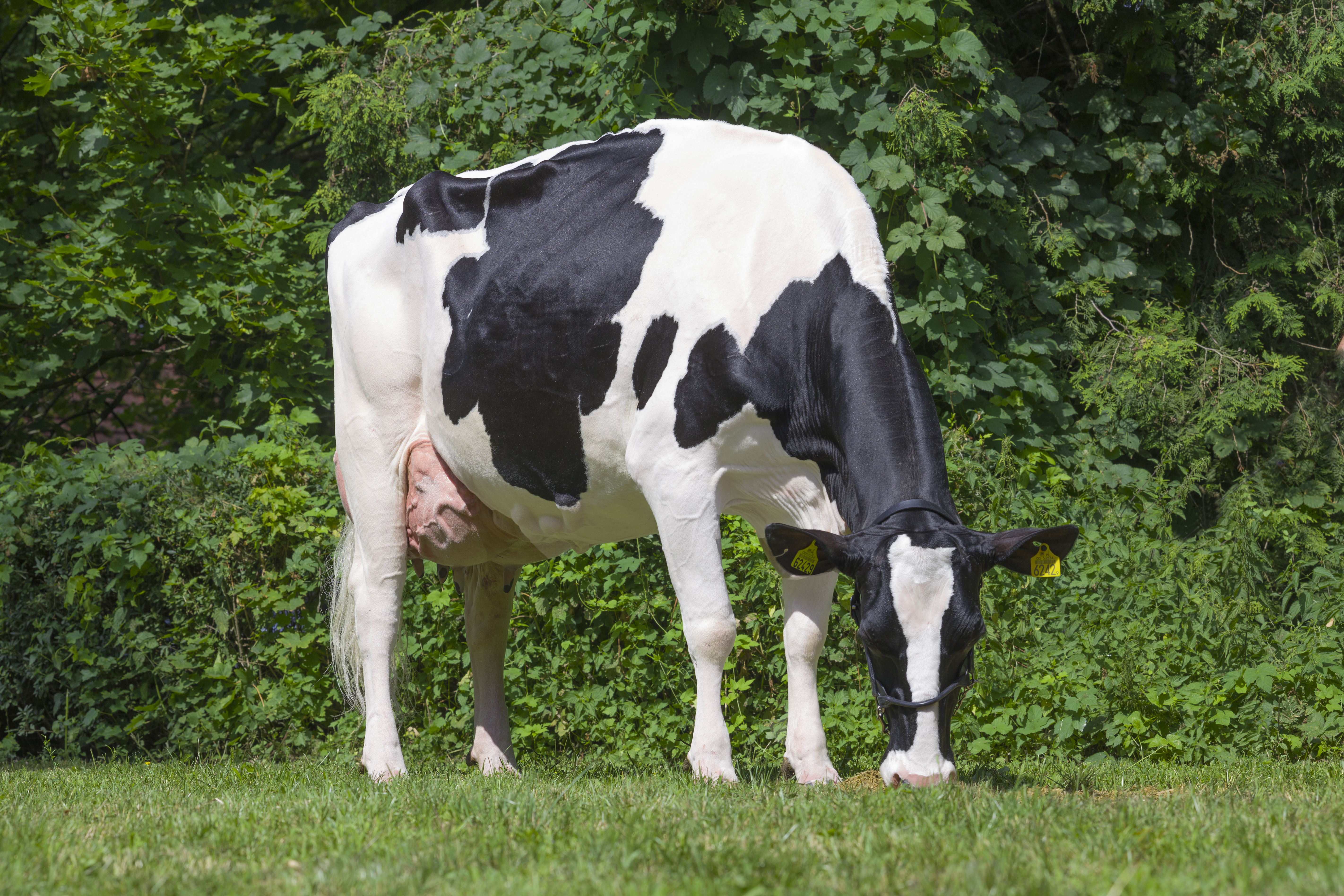
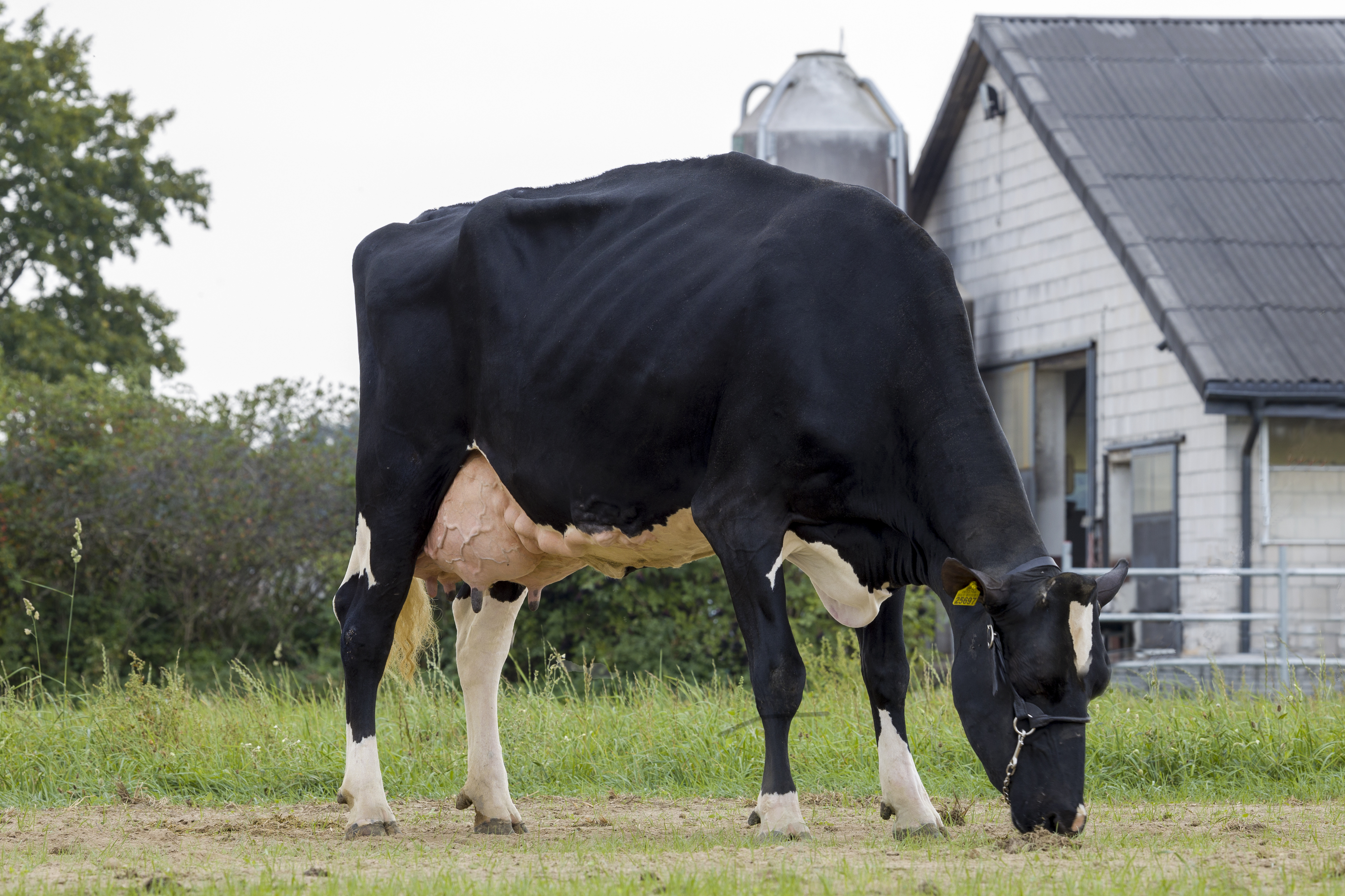
From a genetic perspective, the Polish dairy cattle population is characterized by a high degree of specialization. The Holstein-Friesian breed, in both color varieties, accounts for nearly 90% of the active population, which translates into high productivity and a uniform production profile of herds.
In 2024, performance recording covered 40% of the dairy cow population, i.e. 783,684 cows, and the average size of a recorded herd was 47 cows. These figures confirm the growing scale of professional milk production management.
Year after year, a systematic increase in the productivity of recorded cows has been noted. In 2024, the average recorded cow produced 9,611 kg of milk, with a protein content of 3.51% (338 kg) and a fat content of 4.03% (388 kg). These results place the Polish dairy cattle population among the most efficient in Europe and provide a solid foundation for the further development of the sector.