Invited Speakers
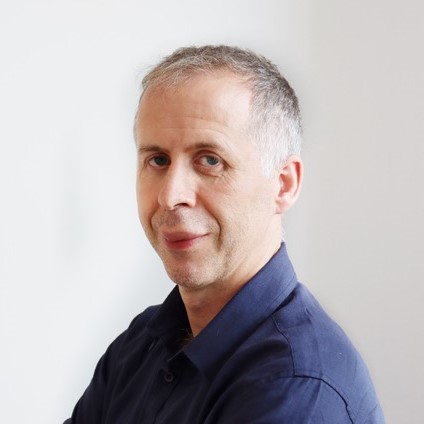
Dr Donagh Berry
Teagasc, Ireland
A senior principal investigator in quantitative genetics at Teagasc for the past 25 years holding professorships at several (inter)national universities; as well as research, Donagh is strongly engaged in third-level education and extension to a wide range of different stakeholders both nationally and globally. He is also director of the €60m VistaMilk research center on AgTech where the focus is on delivering fundamental and translational research in digital dairy production and processing across the whole soil-to-society food chain. Following his BAgrSc at University College Dublin he undertook a PhD in quantitative genetics in a collaboration between Teagasc, Wageningen University and University College Dublin, Ireland followed by an MSc in Bioinformatics at University College Cork. Donagh has over 400 peer reviewed scientific journal publications across species in phenotyping strategies, breeding goal development and deployment, genetic evaluations, genomic predictions and development of value-creating decision support tools.
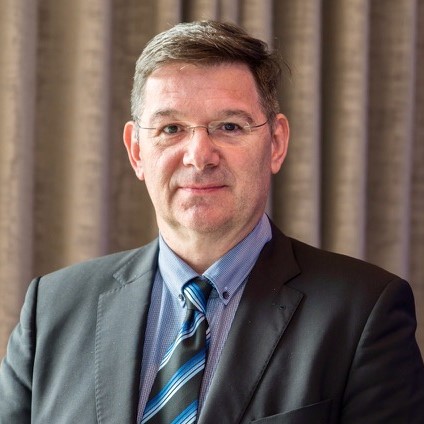
Dr László Bognár
Holstein Hungary, Hungary
Dr. László Bognár is Executive Director of the Holstein-Friesian Breeders’ Association of Hungary (since 1999) and a long-term elected Committee member within EHRC. He currently serves as Vice President of the World Holstein Friesian Federation (WHFF), representing the Central–Eastern European region. ##MORE## His work focuses on breeding- program leadership, herdbook and IT system development, and the practical implementation of genetic and genomic evaluation, including the national HUNGENOM initiative. He holds a PhD, is an honorary Associate Professor at the University of Debrecen and a guest lecturer at the University of Veterinary Medicine, and has completed Harvard Medical School (HMX) courses in Genetic and Genomic Testing.
.jpeg)
Dr Martino Cassandro
ANAFIBJ, Italy
Martino Cassandro holds a degree in Agricultural Sciences at the Faculty of Agriculture of the University of Padova in 1990. From September 1993 to April 1994 spent a period of collaboration and training at the Centre for Genetic Improvement of Livestock (CGIL) - Department of Animal & Poultry Science, University of Guelph, Ontario, Canada. In September 1995 he holds a Ph.D. in Animal Science. Later on, he continued his training and research activities at the Department of Animal Science of Padova and at the National Association of breeders of Holstein Friesian cattle. In March 2000 is researcher at the Faculty of Agriculture in the scientific sector (SSD) AGR/17 Animal Breeding and Production. In October 2002 is Associate Professor and since 2006 he is full professor in SDD AGR/17 - “Animal Breeding and Production” at the Faculty of Agriculture of Padova. ##MORE## At the present, in the scientific career, Prof. Martino Cassandro managed around 40 millions of euro of research projects, and his coordinated many working groups in the PI (principle investigation) position. Since 2012 he is President of the World Association of Poultry Science Italian branch (WPSA-Italy). Since March 1, 2021, he has been General Director of ANAFIBJ - National Association of Italian Friesian, Brown and Jersey Breeders. He is author of more than 500 papers, of which 243 as journal articles listed in Web of Science, 6 book chapters and numerous abstracts in proceedings of Italian and international congresses. He holds 3 patents on the method of breeding poultry species for human consumption and on the genomics of the dairy attitude of cows milk and has an h-index of 43.
.png)
Maria Jesús Carabaño
INIA (National Institute for Research in Agriculture), Spain
María Jesús Carabaño did her PhD at Cornell University (1988, Ithaca, NY, USA) and occupies a permanent position as Senior Researcher at the Animal Breeding and Genetics department of INIA since 1991, she has been principal investigator or member of the research team of a number of nationaland international competitive research projects. She is author of 66 SCI articles plus a number of technical and extension publications and has contributed to a vast number of national and international meetings and conferences. All along her scientific career, she has been well in contact with breed associations and AI centres, participating in industry contracts and being a member of technical and assessment committees, looking for a continuous feedback between research and industry challenges. Her expertise is in the area of statistical analysis of animal breeding data relevant for genetic and genomic evaluations. Her main achievement in this area has been linked to the implementation of random regression models in the analyses of milk production or weight traits and to analyse plasticity under changing environments linked to male fertility (semen quality traits) or heat tolerance using milk production and meteorological information. Her current main line of research includes search for the genetic mechanisms that determine heat tolerance and resilience in dairy ruminants by making use of novel phenotyping, genomic, transcriptomic and metabolomic information.
.jpeg)
Thomas Duffy
Family Farm, Ireland
Thomas manages together with his parents and sister their 60-hectare farm in North-East Ireland milking 80 dairy cows in a robotic grass based system. He returned to farming after studying agriculture for 4 years in Sustainable Agriculture; degree programme before returning to education to complete an MA in 'Environmental Resource Management; with a focus on climate change and the livestock sector. Thomas served on the Board of Macra na Feirme for 7 years including serving as President 2019-2021. He served as Vice President of CEJA, the Council of European Young Farmers 2021-2023.
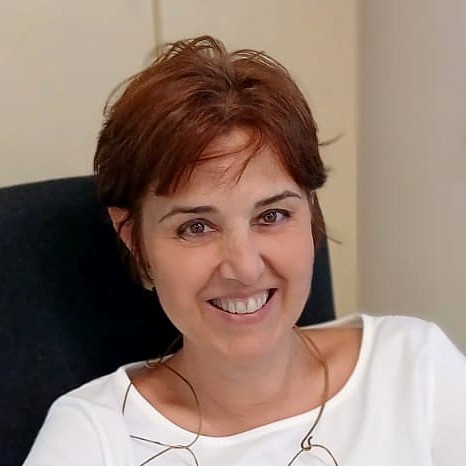
Raffaella Finocchiaro
ANAFIBJ, Italy
Raffaella Finocchiaro was born in Palermo (Italy) in 1971. In 1995 she got her Master degree in nAgricultural Science at the University of Palermo, where she remained till 1997 to undertake research in the field of Animal Breeding and Genetics. In 1998 she started her PhD project in Animal Breeding and Genetics, at the University of Milan. During her PhD, Dr. Finocchiaro focused her interest on molecular genetics applied to small ruminants. After her PhD she moved to the University of Palermo for a post doc position. Here she developed several research projects in the field of goat and sheep selection schemes and on genetic conservation of small populations reared in Sicily. Her other interests were were the effect of lactoprotein genes as major genes affecting variability of quantity and quality of milk in population genetics and genetic improvement of livestock with the necessary background in quantitative genetics, statistics and computer programming. She successfully applied for national and EU funding. At the end of 2007 she started to work with dairy cattle at the Italian Holstein Breeders Association (ANAFI), where she is senior researcher at the Research and Development Office. Her main activities are 1) Developing and implementing new selection traits, techniques and technologies for the Italian Holstein and Jersey breeds. 2) Developing, implementing and supervising genetic and genomic routine evaluation for all traits for Holstein and Jersey breeds. 3) Updating technicians from AI industry, researchers, farmers and students on the Associations’activities and service. Lately her interests are also moving towards feed intake and methane emission in dairy cattle. Since 2015 she is part of the ICAR Feed Gas working group.
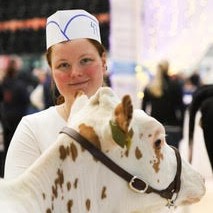
Eeva Harhala
Family Farm, Finland
Eeva Harhala from Finland - fifth generation dairy farmer since January 2026. I am passionate about farming and animal breeding. I studied agricultural sciences in University of Helsinki and spent a few years as a journalist and as a breeding advisor and head classifier. During that time I thought about life and then decided to take over my family farm. Our farm has 70 milking cows, 120 hectares agricultural land and 40 hectares of forest. We run the farm as a corporation together with my husband and my parents.
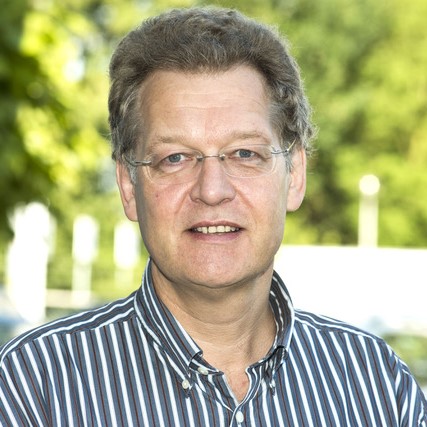
Gerben de Jong
CRV, Netherlands
Raised on a dairy farm in Friesland. Graduated from Wageningen university. Over the years involvedin R&D and genetic evaluations in CRV and her predecessors. Currently manager of Animal Evaluation Unit and herdbook of cooperative CRV in the Netherlands. Also involved in Interbull activities (Steering Committee member and chair of Interbull Technical Committee). Chair of the ICAR working group on Conformation. Chair of WHFF Harmonisation Working Group and member of WHFF council.
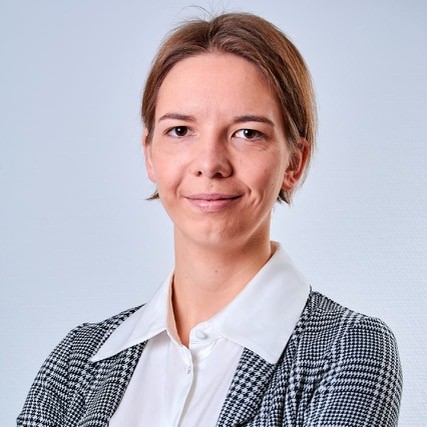
Franziska Keßler
Germany
Franziska Keßler completed her Bachelor in Agricultural Economics in Neubrandenburg, East Germany. For her Master in Agribusiness, she moved to the University of Hohenheim in Southern Germany. Her doctoral thesis, titled “Breeding for Resilient Cows”, was supervised by Prof. J. Bennewitz in the Department of Animal Genetics and Breeding. She successfully defended her dissertation in 2025. Since April 2026, she works at the Research Institute for Farm Animal Biology in Dummerstorf, Northern Germany. Within Prof. M. Schmid’s group on Quantitative Animal Genetics, she continues her research on breeding for resilience and further novel traits in livestock.
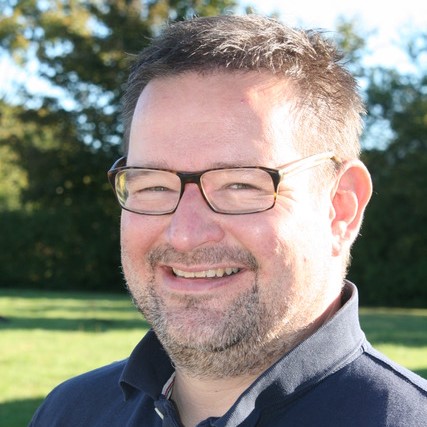
Jan Lassen
Viking Genetics, Denmark
A distinguished leader in dairy research and genetics, Jan Lassen serves as a Senior Project Manager at VikingGenetics and an Adjunct Associate Professor at the Centre for Quantitative Genetics and Genomics (QGG), Aarhus University. With a PhD and a Diploma in Leadership from Business Academy Aarhus, they bridge the gap between high-level scientific innovation and strategic project management. Their pioneering research focuses on the intersection of artificial intelligence and animal science, specifically utilizing 3D camera technology and AI to analyze individual feed intake. A key figure in sustainable agriculture, they lead large-scale initiatives to quantify methane production in dairy cattle, aiming to integrate these complex phenotypes into genomic selection models. Their career is marked by significant achievements, including: Scientific Leadership: Currently leading the ONIMIT project (19M DKR) and previously the CFIT project (22M DKR), focusing on on-farm methane monitoring and feed efficiency, Academic Excellence: Author of 70 peer-reviewed publications and 3 patents, maintaining an H-index of 39 with over 6,100 citations, Prestigious Awards: Recipient of the Innovation Fund Denmark Grand Solution Prize (2018) and the Sapere Aude - Young Elite Scientist award (2011).

Fraederk Meppen
INRAE, French National Research Institute for Agriculture, France
Fraederk Meppen is an experienced farmer and entrepreneur. He graduated from the South Westphalia University of Applied Sciences in 2017 with a degree in Agricultural Economics. His career started earlier with a practical apprenticeship at the Heinrich Mensmann and Haus Düsse farms. Since 2017, Fraederk has been the Operations Manager of a dairy farm that also handles crop production and field trials. Besides running the farm, he is a very active businessman. He owns several companies that offer services in: Agricultural and business consulting, Software, marketing, and sales, Equipment rental and the use of agricultural drones. Fraederk is also well-known for his work in public relations, especially on Instagram, where he promotes the agricultural sector. He holds several leadership and volunteer roles, such as the Chair of the Hunting Association and a consultant for herd management at VOST
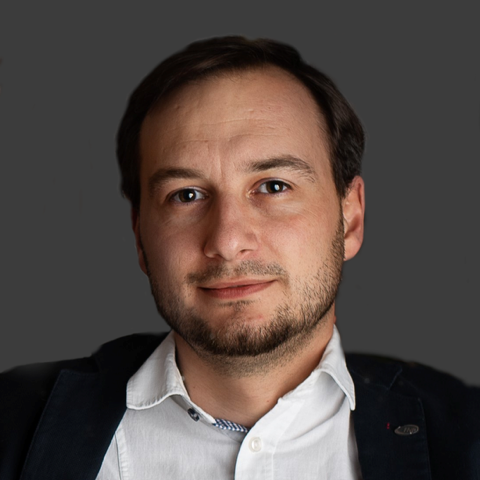
Marcin Pszczoła
PFCB&DF, Poland
Marcin Pszczola is an Assistant Professor at the Genetics and Animal Breeding Department of the Faculty of Veterinary Medicine and Animal Science at Poznan University of Life Sciences, Poland, and Deputy Director of the Centre for Genetics of Polish Federation of Cattle Breeders and Dairy Farmers. He works in the field of animal breeding and genetics. His research focuses on improving the accuracy of genomic predictions for novel traits in dairy cattle and reducing their environmental impact by selective breeding to reduce methane emissions. He obtained his PhD in animal science from Wageningen University (the Netherlands). He is vice president of the Polish Society of Animal Production (PTZ), and vice president of the Commission on Animal Genetics of the European Federation of Animal Science (EAAP). He serves as the chair of the Scientific Board of the animal – The international journal of animal biosciences.
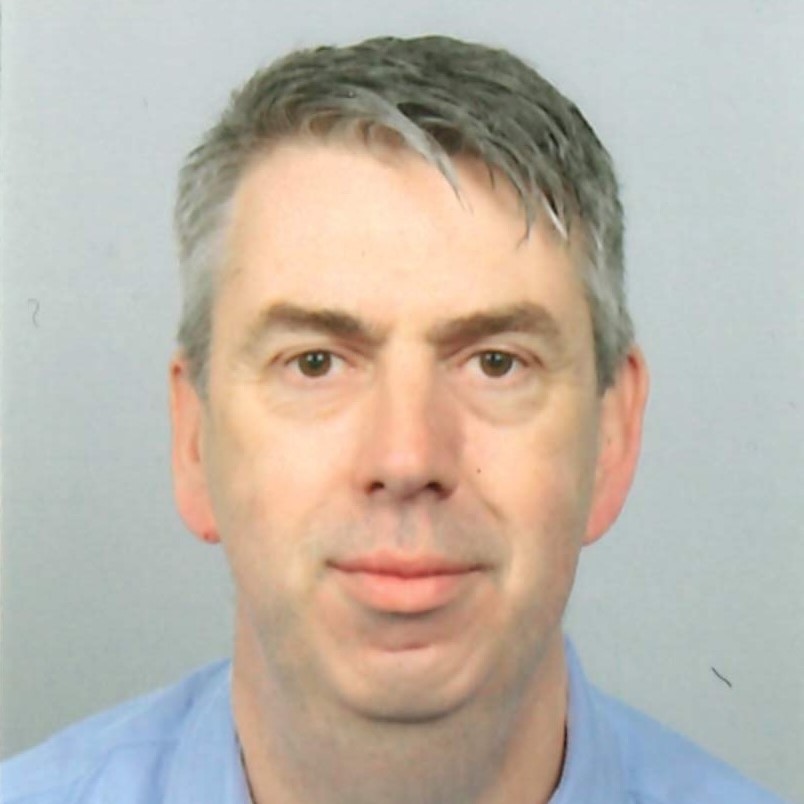
Toine Roozen
Interbull Centre and EU Reference Centre-Zootechnics, Sweden
Mr. Toine Roozen is the Director of the Interbull Centre and the European Union Reference Centre. Toine has an MSc in Animal Genetics from Wageningen University, and an MBA from Oxford University. Toine grew up on a pig farm in the South of The Netherlands. He then worked 21 years in the UK - in pig breeding (Pig Improvement Company) and knowledge transfer - before joining the Interbull Centre in 2015.
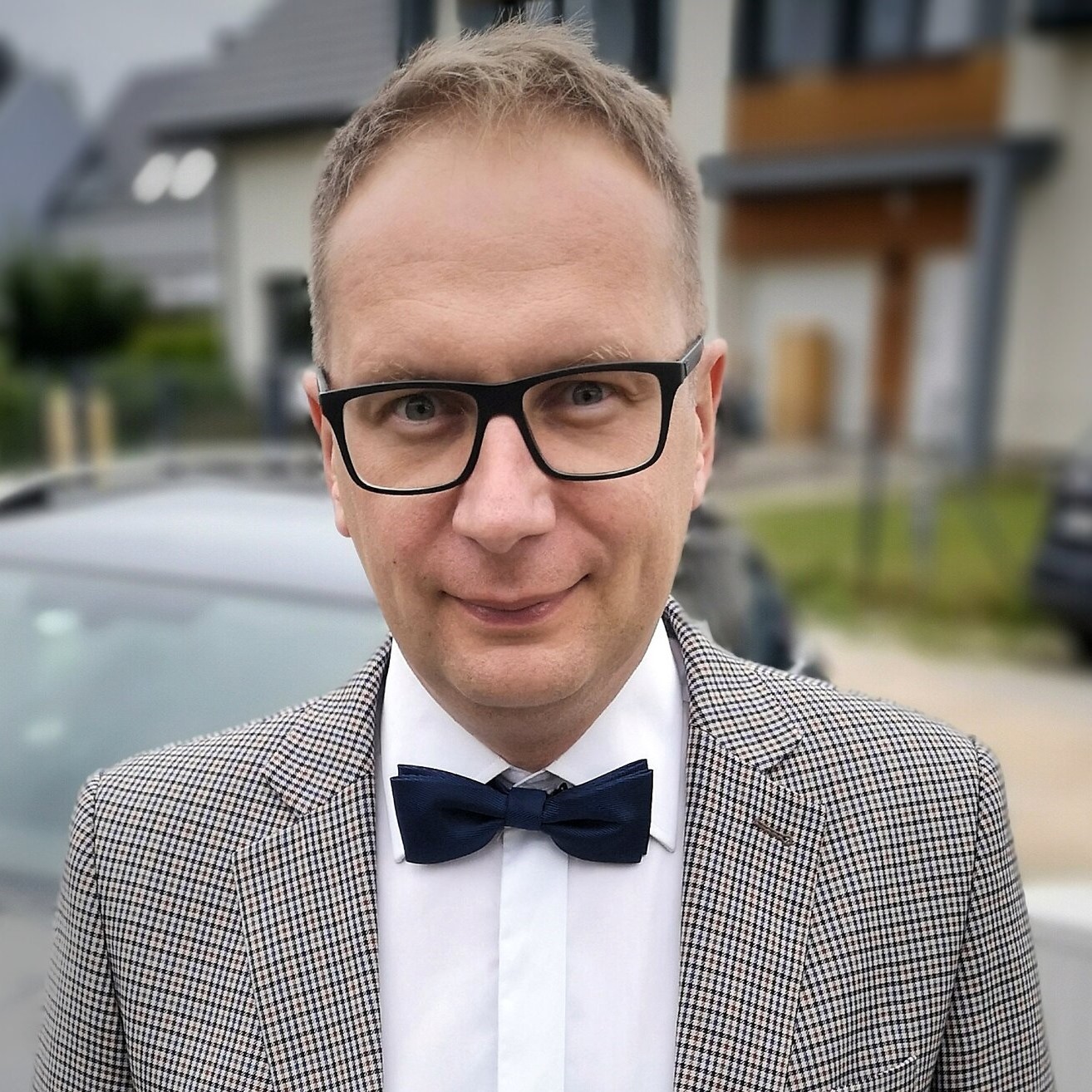
Prof Tomasz Suchocki
Wrocław University of Environmental and Life Sciences, Poland
Prof Tomasz Suchocki is an Associate Professor at the Wroclaw University of Environmental and Life Sciences, specializing in the intersection of mathematical statistics, biotechnology, and animal genetics. With a diverse academic background including a Habilitation (2019), a PhD in Biotechnology, and an M.Sc. in Mathematics, they possess a rare and powerful combination of skills for solving complex biological problems through quantitative modeling. Throughout their career, Tomasz Suchocki has held several key roles in both academia and the private sector: Academic Leadership: As a leading member of the Biostatistics team at the Institute of Genetics, they focus on QTL modeling and the statistical analysis of genomic data, Industry Expertise: Currently a Big Data Analyst at Weartech Solutions, they apply machine learning and advanced data analytics to real-world challenges, Genomic Specialist: They serve as an expert for the National Research Institute of Animal Production, focusing on genetic markers and genomic breeding value estimatio —a role they previously held at SHiUZ Sp. z o.o. With 36 scientific papers published in JCR journals and 25 conference presentations, their research is internationally recognized. Their expertise spans a wide technical stack, including R, Python, and MySQL, and covers cutting-edge fields such as GWAS methods, NGS data analysis, and Machine Learning. International scientific internships at the University of Toronto and the Roslin Institute further underscore their commitment to global scientific collaboration.